Phone:
+86 15806601778
Factory address:
Jinan City, Shandong Province, China

Phone:
+86 15806601778
Factory address:
Jinan City, Shandong Province, China
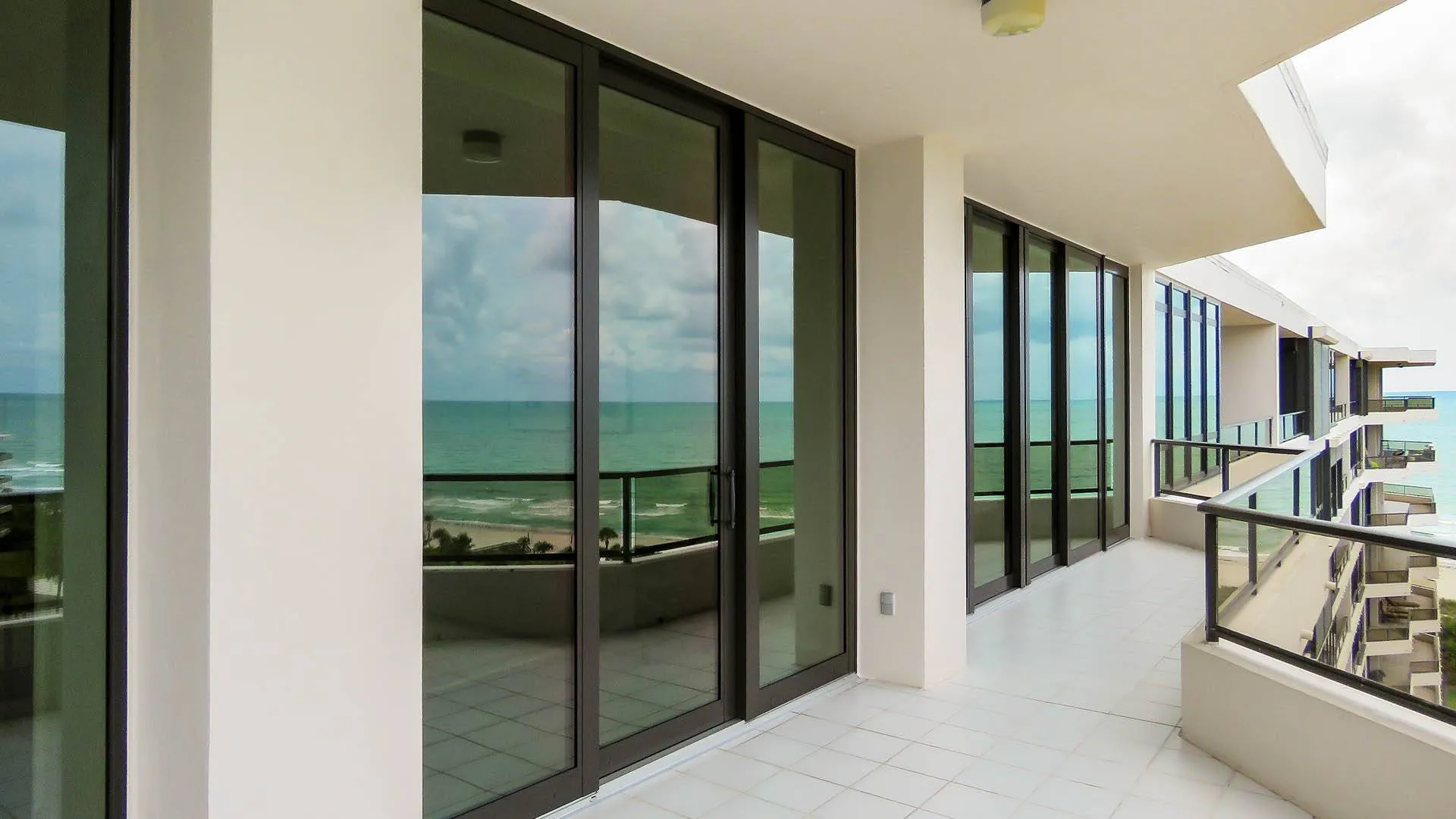
The aluminum doors and windows industry has experienced steady growth over the past decade, driven by urbanization, energy efficiency requirements, and increasing demand for modern architectural designs. As construction standards evolve and customer expectations rise, aluminum door and window manufacturers are facing both new opportunities and challenges. Understanding the latest industry trends is essential for staying competitive in this rapidly changing market.
One of the most significant trends in the aluminum doors and windows industry is the increasing focus on energy efficiency. Governments and building authorities worldwide are introducing stricter regulations on thermal insulation and energy consumption. As a result, aluminum window and door systems are being designed with improved thermal break structures, multi-chamber profiles, and advanced sealing technologies.
For manufacturers, this means higher precision requirements in profile processing, drilling, and milling. Accurate machining is essential to ensure proper assembly and long-term performance of energy-efficient aluminum systems.
The market is shifting from standard aluminum windows and doors to high-end and customized solutions. Residential and commercial projects increasingly demand unique designs, large openings, slim profiles, and special surface finishes. Customization has become a key competitive advantage for manufacturers.
This trend is driving the adoption of CNC machining equipment capable of flexible production. Machines that support multi-function processing and quick program changes allow manufacturers to efficiently handle small-batch and customized orders without sacrificing productivity.
Modern architectural designs often feature large glass panels and minimal frames, requiring stronger and larger aluminum profiles. Curtain wall systems, sliding doors, and panoramic windows are becoming more common in residential and commercial buildings.
Processing these larger and more complex profiles places higher demands on machining equipment. Long-stroke CNC drilling and milling machines, double-head processing systems, and high-stability cutting solutions are increasingly important in aluminum window and door factories.
Automation is becoming a defining trend in the aluminum doors and windows processing industry. Manufacturers are moving away from labor-intensive processes toward automated cutting, drilling, milling, and assembly lines. CNC equipment, digital control systems, and production management software are playing a crucial role in improving efficiency and consistency.
Digitalization also enables better production planning, reduced material waste, and more predictable delivery times. Factories that invest in smart manufacturing solutions are better positioned to meet growing demand while controlling costs.
End users today are more concerned about product quality, durability, and long-term performance. Aluminum doors and windows are expected to maintain structural integrity, smooth operation, and aesthetic appearance over many years.
To meet these expectations, manufacturers must focus on precise machining, consistent assembly tolerances, and stable production processes. High-quality CNC machines help ensure that every component meets design specifications, reducing after-sales issues and enhancing brand reputation.
Sustainability has become an important topic in the aluminum doors and windows industry. Aluminum is inherently recyclable, and manufacturers are increasingly adopting environmentally friendly production practices, such as material optimization and energy-efficient equipment.
Advanced CNC machines contribute to sustainability by reducing scrap rates, improving cutting accuracy, and optimizing material usage. Efficient production not only lowers costs but also supports environmental goals.
Looking ahead, technology will continue to shape the aluminum doors and windows manufacturing industry. CNC automation, intelligent production lines, and data-driven manufacturing will become standard rather than optional. Companies that embrace technological upgrades will be better equipped to handle complex projects, meet strict standards, and respond quickly to market changes.
The aluminum doors and windows processing industry is evolving toward higher efficiency, greater customization, and smarter manufacturing. Trends such as energy efficiency, large-profile designs, automation, and sustainability are reshaping how products are designed and produced.
For aluminum window and door manufacturers, staying informed about these trends and investing in advanced processing equipment is essential for long-term success in an increasingly competitive global market.